

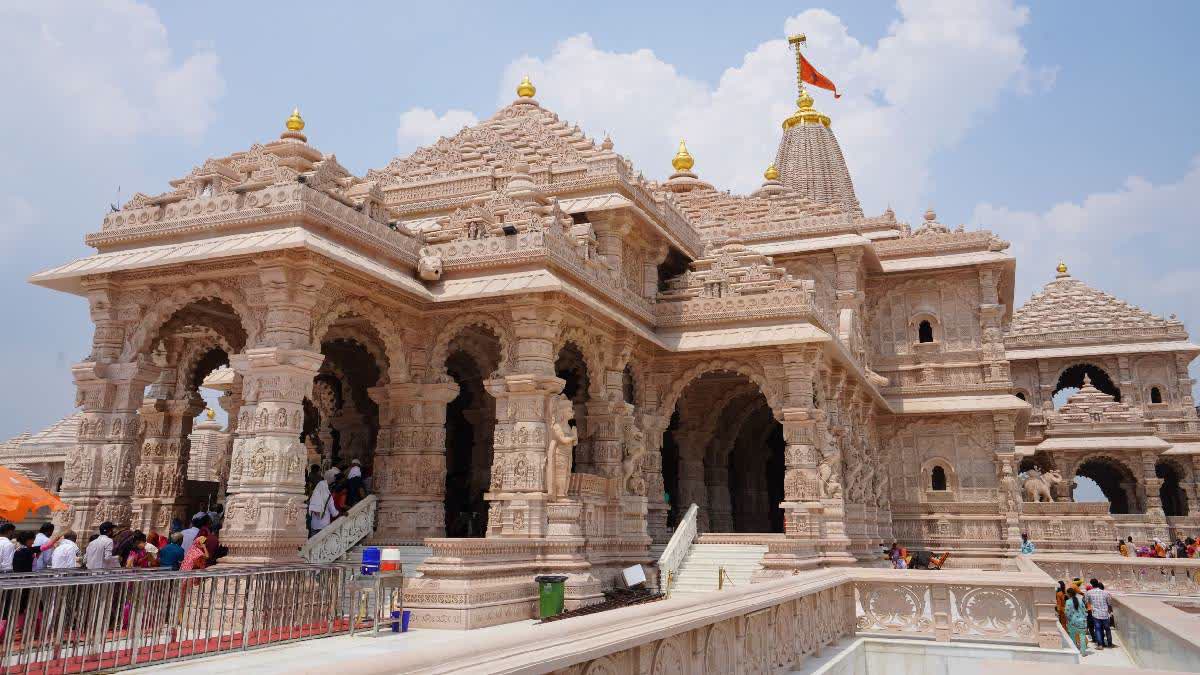
A pilgrimage is unlike any other journey. It is not measured only in kilometres travelled or temples visited, but in the moments of reflection, devotion and quiet transformation it brings along the way.
For millions of Hindus, Ayodhya and Varanasi (Kashi) occupy a uniquely sacred place. One is revered as the birthplace of Lord Rama, the embodiment of righteousness and dharma. The other is the eternal city of Lord Shiva, where countless devotees have sought spiritual wisdom and liberation for thousands of years. Ayodhya represents the ideals of righteous living, while Varanasi reminds us of life’s impermanence and the pursuit of moksha. Together, they create a pilgrimage that is both deeply spiritual and profoundly personal.
Yet planning such a journey can feel overwhelming.
When is the best time to travel? How many days should you set aside? How should you plan your itinerary? Is the journey suitable for elderly parents, and if so, which parts need extra care? Which experiences are truly unmissable? What rituals can you participate in? Where should you stay? What should you expect once you arrive?
This guide answers those questions and more.
Rather than simply listing attractions, we’ve created a comprehensive companion to help you understand the journey—its significance, its practicalities and the experiences that make it truly memorable.
Whether you are undertaking this pilgrimage for the first time or returning after many years, our hope is that this guide helps you travel with greater confidence, comfort and peace of mind.
At a Glance
| Ideal Duration | 3–4 days, longer if you want to visit more sites or have special rituals to complete |
| Best Time to Visit | All year round. October to March is the most popular time, April to September is off season so lesser crowds and better prices |
| Nearest Airports | Ayodhya: Ayodhya Maharishi Valmiki International Airport (AYJ) Varanasi: Lal Bahadur Shastri International Airport (VNS) |
| Suitable For | Families, senior citizens, couples and solo pilgrims |
| Walking Required | Moderate. However, some of the ghats have steep steps that can be difficult to navigate for those with mobility issues |
| Recommended Pace | Comfortable and unhurried |
Why Visit Ayodhya & Varanasi Together?
There are practical reasons why many travellers combine these destinations. They are well connected by road and rail and are only 4.5 hours apart, making it convenient to experience both within a single journey. It is also true that after several decades, Ram Mandir has become easily accessible with a beautiful temple complex, world class public infrastructure, hotels at all pricing tiers, and dedicated tourism support. Similarly, Varanasi has also seen a resurgence in the last decade, with newly constructed corridors, vastly cleaner temples and city, expanded hotel options, and a range of activities and attractions.
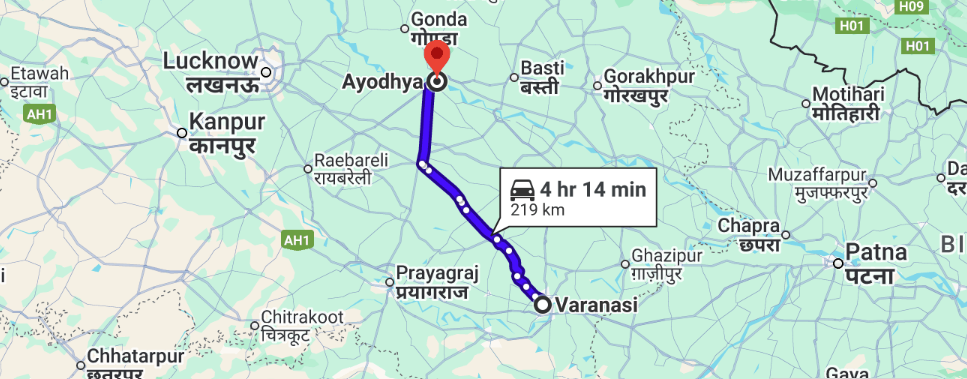 Ayodhya and Varanasi are close enough for the travel between them to be a comfortable and fun journey
The deeper reason, however, is spiritual.
Ayodhya is the city of Lord Rama—a place that celebrates dharma, devotion and righteous living. Walking through the streets of Ayodhya, visiting the Ram Janmabhoomi Temple and witnessing the evening aarti on the banks of the Sarayu, one experiences a city filled with hope, reverence and renewal.
Varanasi invites a different kind of reflection. Often called the world’s oldest living city, Kashi is where seekers have come for centuries to worship Lord Shiva, study ancient traditions and pursue spiritual liberation. Here, the rhythms of life and death exist side by side, creating an atmosphere unlike anywhere else in the world.
Together, these cities create a pilgrimage that is wonderfully balanced.
Ayodhya inspires. Varanasi transforms.
Experiencing both in a single journey offers a richer understanding of Hindu spirituality than either destination can provide alone.
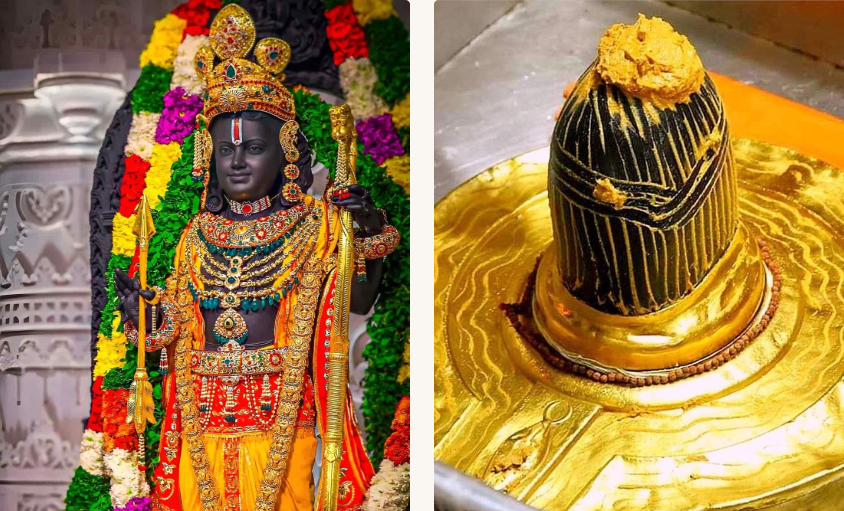 The splendour of the Ram Lalla idol is contrasted by the ascetism of the Shivling
Who This Journey Is For
First-time Pilgrims
If you’ve long wished to visit Ayodhya and Varanasi but weren’t sure where to begin, this journey provides an excellent introduction to two of India’s most sacred destinations.
Families
Pilgrimages are often among the most meaningful journeys a family undertakes together. Parents, grandparents and children each experience these cities differently, creating memories that are shared across generations.
Senior Citizens
Many travellers undertake this pilgrimage later in life as the fulfilment of a long-held aspiration. With comfortable accommodation, thoughtful planning and a relaxed pace, the journey can be deeply rewarding.
Busy Professionals
Modern life rarely leaves space for quiet reflection. A pilgrimage offers an opportunity to slow down, reconnect with your faith and return with renewed clarity and perspective. The Ganga Aarti is especially well known for this!
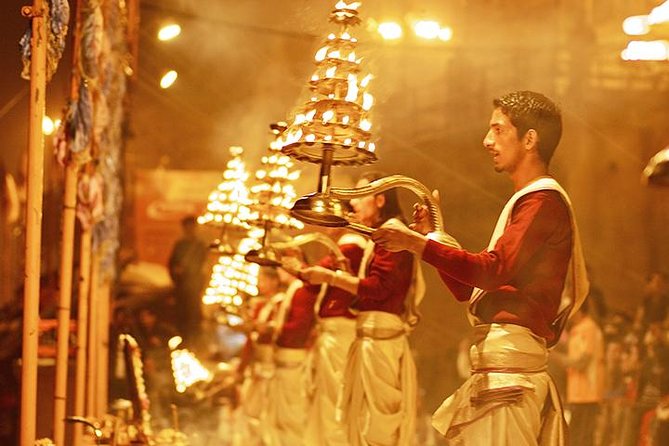 The rhythmic chanting and synchronised movements of the Ganga Arti are almost meditative, allowing one to look deeply inwards while sitting on the banks of the holiest river
Best Times to Visit Varanasi and Ayodhya
The most comfortable months for the Ayodhya & Varanasi pilgrimage are October through March, when the weather is pleasant and ideal for temple visits and sightseeing. However, each period throughout the year has something or the other to offer the yatris.
October to November
One of the finest times to visit. The post-monsoon air is fresh, temperatures are comfortable and the festive atmosphere adds to the experience. Big festivals like Dusshera, Diwali and Dev Deepawali turn the cities into visually stunning, spiritually elevated experiences.
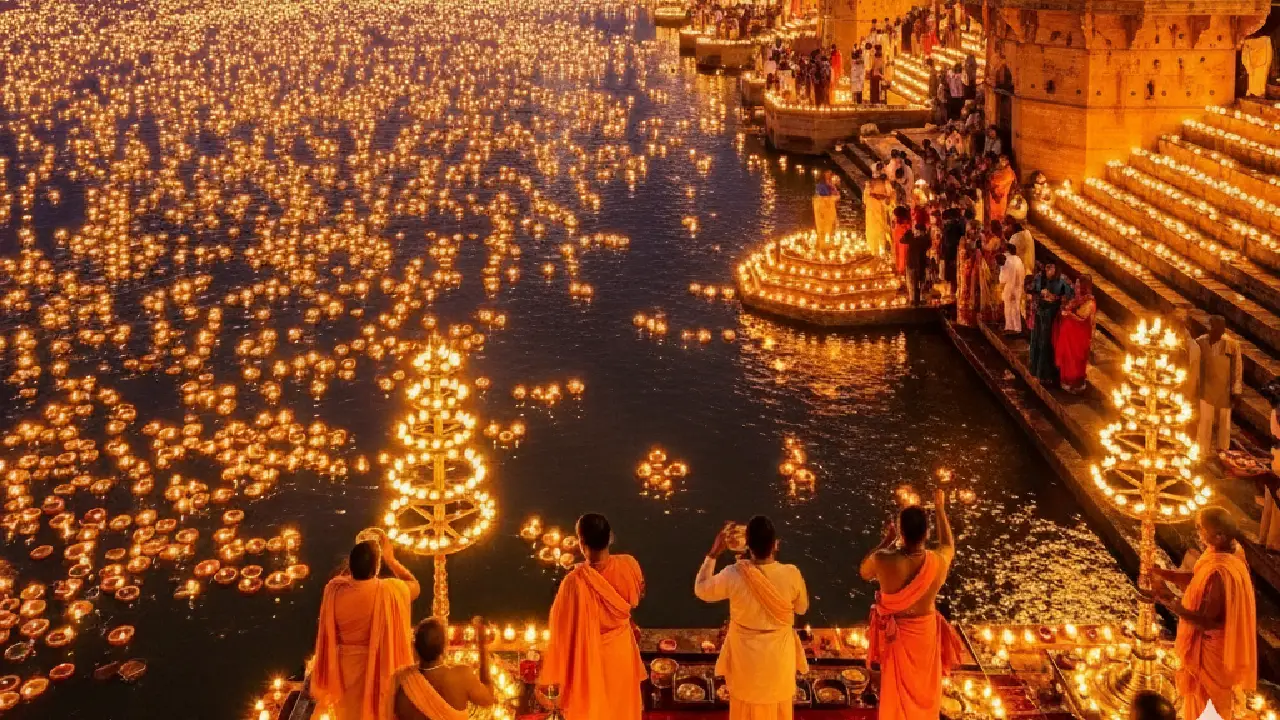 Dev Deepawali is by far the most sought-after time to visit Varanasi and Ayodhya
December to February
Cool mornings and pleasant afternoons make winter ideal for exploring temples and the ghats. Carry a light jacket for early mornings and evenings. Early morning boat rides can be cold and sometimes foggy, so are best avoided by those that are prone to catching a cold, but with the right clothing and layering, this offers a beautiful view of the sunrise melting away the fog.
March
Warm days begin to return, but mornings and evenings remain comfortable. Crowds are generally lower towards the end of the winter season.
April to June
Summer temperatures can be intense, often crossing 40 degrees (particularly during the afternoons). Early morning and evening visits are recommended. If heat doesn’t bother you too much, this is a great time to visit since crowds are far lesser and the rush comes down significantly, as does the cost.
July to September
The monsoon brings lush surroundings and fewer visitors, though occasional heavy rainfall may affect outdoor plans. The Sawan season (typically mid-July to mid-August) sees a lot of pilgrims and kanwariyas making the trip to Kashi. This is one of the holiest times to visit.
How to Reach
Both Ayodhya and Varanasi are well connected by air, rail and road, with Varanasi having significantly more options.
Travellers can begin their journey in either city depending on flight availability and personal preference. Direct flights connect both destinations with several major Indian cities, while an extensive railway network, including the phenomenal Vande Bharat trains, provides another convenient option. In most cases, you can start your journey by arriving at either city and then departing from the other one.
Note that flight and train schedules change often, so check the rosters just before planning your journey. If there is no flight to/from Ayodhya for your travel date, the nearest airport is Lucknow, about 140 km away – typically a 2.5-hour journey by road.
| City | Airport | Railway Station |
|---|---|---|
| Varanasi | Lal Bahadur Shastri International Airport (VNS) | Varanasi Junction (BSB) |
| Ayodhya | Maharishi Valmiki International Airport (AYJ) | Ayodhya Dham Junction (AY) |
| Lucknow | Chaudhary Charan Singh International Airport (LKO) | Lucknow Charbagh Railway Station (LKO) |
The two cities are also connected by road, making it easy to travel between them as part of a single pilgrimage. They are about 220 km apart, and the journey takes 4.5 hours. The roads are really well maintained but there are limited places to eat or take a break along the way.
Whether you choose to begin in Ayodhya or Varanasi, the overall experience remains equally rewarding.
Suggested Itinerary
No two pilgrims experience this journey in quite the same way. Some prefer to spend more time in prayer and reflection, some others wish to visit every significant temple and sacred site, while many others want to experience the cultural/food/shopping/heritage delights of the cities in addition to the religious and spiritual aspects. The ideal itinerary depends on your pace, interests, the season and whether you’re travelling with elderly family members and/or young children.
Rather than following a rushed schedule, we believe a pilgrimage should unfold at a comfortable pace, giving you enough time to truly experience each destination instead of simply checking off places to visit.
Typically, 3 Days 2 Nights (3D2N) is sufficient to cover all the major spots in both cities. Some people prefer a slightly longer trip, covering the same spots in 4D3N, or adding a few more sites or activities to their itinerary. Those who want to add other nearby cities like Prayagraj, Lucknow or Gaya typically extend this to 6 or even 8 Days. Our advice is, choose a pace and activities that are right for you.
For a thoughtfully designed day-by-day itinerary, including the temples you’ll visit, accommodation details, key experiences, inclusions and everything else that’s part of the journey, explore Saum’s Ayodhya & Varanasi Yatra.
Where to Stay
Where you stay can significantly influence your overall pilgrimage experience.
While it may be tempting to choose accommodation based solely on proximity to the temples or cost, other things like comfort, accessibility (especially while travelling with family or elderly parents), unique experiences, support for your specific diet, guest services like spas, meditation, yoga retreats, and even just the ability to unwind after a full day of travel are equally important. A peaceful night’s rest often makes the next day’s temple visits far more enjoyable and immersive.
For example, BrijRama Palace is a one-of-a-kind heritage hotel offering breathtaking views of the Ganges, a carefully curated culinary journey, is very close to the Vishwanath Mandir and Dasashwamedha Ghat (where the main Ganga Aarti happens), etc, but has a lot of steps and narrow pathways to navigate (so not ideal for those with mobility issues) and is not accessible by car (so either come by boat or walk through the gullies). Its pricing is also perceptibly higher than many other 5-star hotels in Varanasi. Still, it is a wonderful stay and is on the bucket list for many a traveller.
 Wake up to a 180-degree view of the gently flowing Ganga from BrijRama’s Varuna Burj or Maharaja suites
At Saum, we believe accommodation should support the journey rather than distract from it. We carefully select comfortable, well-appointed hotels that combine warm hospitality with modern conveniences, allowing you to experience the pilgrimage without compromising on comfort. You can contact us anytime for guidance on which hotel would be right for your group, taking into consideration the various factors listed above.
Key Temples & Sacred Experiences
A pilgrimage to Ayodhya and Varanasi is not about visiting the greatest number of temples. It is about experiencing the places that have shaped the faith and devotion of millions for centuries. While every traveller’s journey is unique, these are the experiences we believe deserve a place in every pilgrimage.
Ayodhya
Shri Ram Janmabhoomi Temple
The Ram Janmabhoomi Temple is the spiritual heart of Ayodhya and one of the most revered pilgrimage sites in Hinduism. For devotees, it marks the birthplace of Lord Rama, making it the primary reason for visiting the city.
Allow yourself sufficient time for darshan and be prepared for security checks and queues, particularly during weekends and festivals. Rather than rushing through the visit, take a few moments afterwards to absorb the atmosphere around the temple complex.
Hanuman Garhi Mandir
Before seeking the blessings of Lord Rama, many devotees traditionally visit Hanuman Garhi. Dedicated to Lord Hanuman, this hilltop temple has long been regarded as an integral part of an Ayodhya pilgrimage. It is also believed that Hanuman Ji still lives here, awaiting Lord Ram’s return.
Kanak Bhawan
Often regarded as one of Ayodhya’s most beautiful temples, Kanak Bhawan is closely associated with Lord Rama and Goddess Sita, and is believed to be the wedding gift given to Sita Ma by Queen Kaikeyi. Its elegant architecture, beautifully adorned idols and devotional ambience make it a favourite among pilgrims.
The temple offers a quieter and more intimate experience compared to some of the larger pilgrimage sites.
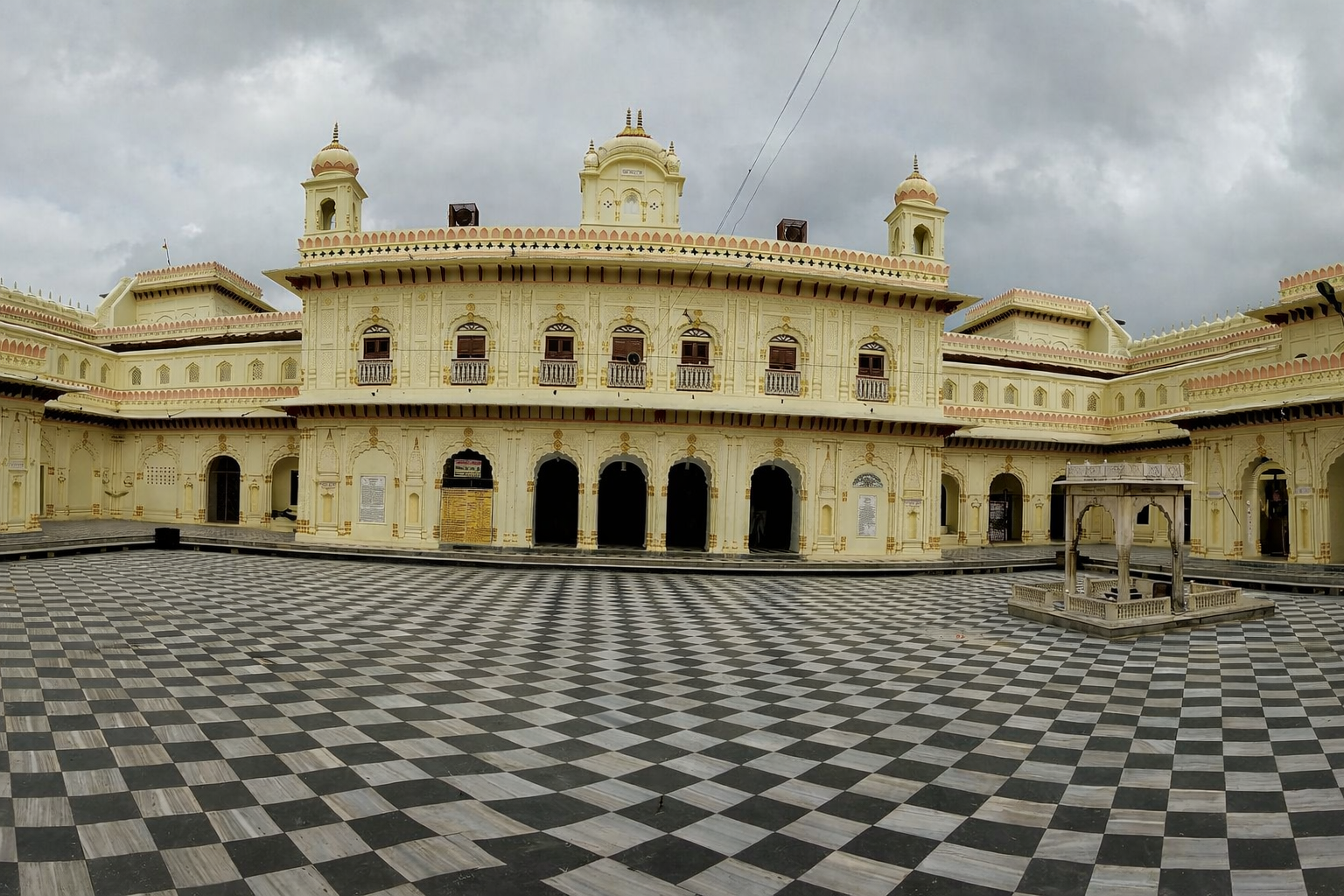 Kanak Bhawan: a simple and serene space where one can just sit for a while and soak in the vibes
Dashrath Mahal
Located in the heart of Ayodhya and close to Ram Mandir, Dashrath Mahal is believed to be the royal residence of King Dashrath, the father of Lord Rama. Today, it stands as a vibrant and deeply devotional space, with colourful courtyards, ornate interiors and shrines dedicated to Lord Rama and his family.
The atmosphere here feels more intimate and lived-in than that of a grand temple. Spend a few moments sitting in the courtyard, observing the devotees and soaking in the devotional energy that fills this historic part of Ayodhya.
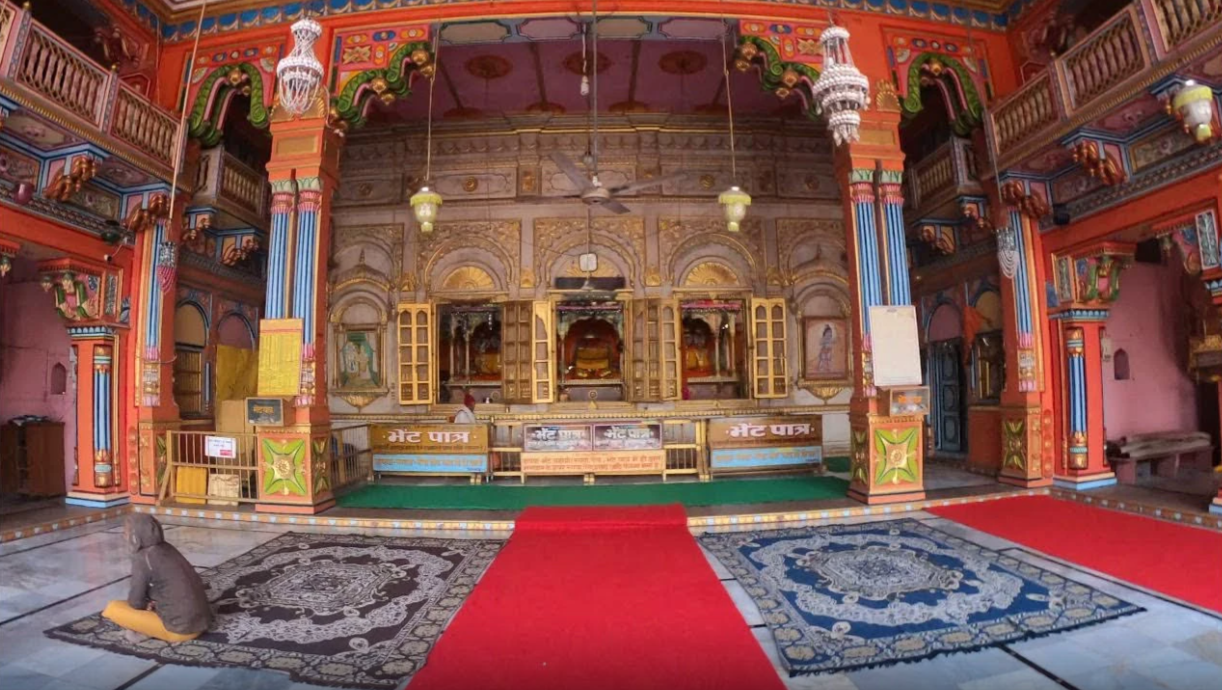 The palace of King Dashrath is a vibrant and deeply devotional space, where Lord Ram spent much of his childhood
Sarayu Aarti
As evening falls, devotees gather along the banks of the Sarayu River to witness the daily aarti. Accompanied by devotional chants, lamps and the gentle flow of the river, it provides a peaceful conclusion to a day of temple visits.
Arriving a little before sunset allows time to find a comfortable place and experience the atmosphere as the ceremony begins.
Others
There are many other sites to visit, depending on your inclinations and duration of stay in Ayodhya. Some other places to consider visiting are Dashrath Mahal, Sita Ki Rasoi, Ram Ki Paidi, Nageswarnath Mandir, Kalaram Mandir, Guptar Ghat, Surya Kund, and more.
Varanasi
Kashi Vishwanath Temple
Among the twelve sacred Jyotirlingas, Kashi Vishwanath holds a uniquely significant place in Hindu tradition. Dedicated to Lord Shiva, it has drawn pilgrims from across the world for centuries.
The temple is often busiest during peak hours, so an early morning visit or mid-afternoon generally offers a calmer and more contemplative experience.
Annapurneshwari Mandir
Dedicated to Goddess Annapurna, the divine provider of nourishment, this temple holds a special place in the sacred geography of Kashi. Hindu tradition regards Annapurna as the goddess who ensures that no devotee who comes to her remains without sustenance.
Located close to Kashi Vishwanath, the temple is naturally included in a pilgrimage through the heart of the old city.
Kaal Bhairav Mandir
Kaal Bhairav is regarded as the fierce guardian of Kashi and one of the city’s most important deities. In Hindu tradition, no pilgrimage to Kashi is considered complete without seeking the blessings of Bhairav, who is believed to protect the sacred city.
The temple has a distinctly different atmosphere from the city’s other major shrines—intense, ancient and deeply devotional. For many pilgrims, a visit here provides an important sense of completing their journey through the sacred landscape of Kashi.
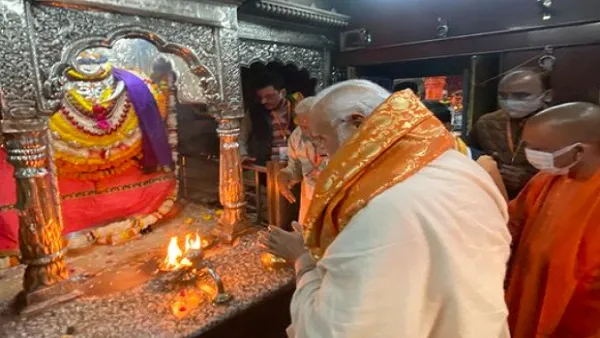 Many government officers (including the Prime Minister) often visit the Kaal Bhairav Mandir to seek the deity’s blessings before starting any new posting
Vishalakshi Shaktipeeth
Dedicated to Goddess Vishalakshi, this ancient shrine is one of the sacred Shakti Peethas and represents the divine feminine presence in Kashi. The temple is smaller and more intimate than many of Varanasi’s better-known shrines, yet carries immense spiritual significance. Its location within the old city also makes the journey to the temple part of the experience, taking visitors through the narrow and ancient lanes of Kashi.
Sankatmochan Hanuman Mandir
Dedicated to Lord Hanuman, Sankatmochan is one of Varanasi’s most beloved temples. The name itself means “the remover of difficulties”, and devotees come here to seek Hanuman’s blessings for strength, protection and the removal of obstacles.
The temple has a deeply devotional and energetic atmosphere, particularly during the morning and evening hours.
Sunrise on the Ganga
Watching the sunrise over the Ganga is one of the defining experiences of a visit to Varanasi.
As dawn breaks, priests begin their morning rituals, pilgrims take a holy dip, and the ghats slowly come alive with prayer, music and daily life. Viewing the city and its various ghats from the river during a sunrise boat ride offers a perspective that cannot be experienced from land.
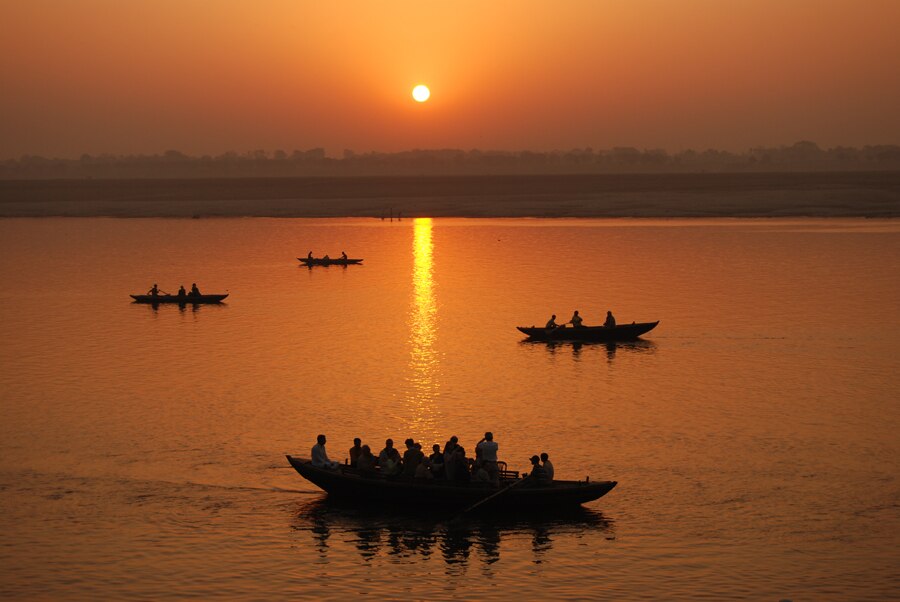 Watching the sun rise over the ghats of Varanasi from the vantage point of the Ganga is definitely an experience
Ganga Aarti at Dashashwamedh Ghat
The evening Ganga Aarti is among India’s most iconic spiritual ceremonies. Priests perform synchronised rituals with lamps, incense and Vedic chants while thousands of devotees gather along the ghats and aboard boats to witness the spectacle.
Although the ceremony is grand, many visitors find that simply remaining by the river afterwards, as the crowds gradually disperse, becomes one of the most peaceful moments of the day.
Others
Varanasi is a vibrant city with a rich heritage, complemented by many modern sites. If you have more time to stay in Varanasi, you may want to visit other places like Tulsi Manas Mandir, Durga Kund Mandir, Bharat Mata Mandir, Sarnath stupa and museum, and various smaller temples, shrines and historic sites scattered throughout the ancient lanes of Kashi.
Rituals & Customs to Know
For many pilgrims, participating in age-old rituals is one of the most meaningful aspects of the journey. While participation is always a personal choice, these are some of the important rituals commonly performed in Ayodhya and Varanasi.
Holy Dip in the Ganga and Sarayu rivers
Many devotees like to have a sacred bath in the Sarayu in Ayodhya or the Ganga in Varanasi. It is considered an act of spiritual purification and an opportunity to enjoy the pilgrimage with devotion and humility.
Rudrabhishek at Kashi Vishwanath Mandir
One of the most revered rituals dedicated to Lord Shiva, Rudrabhishek involves offering water, milk and other sacred items while Vedic hymns are chanted. Many pilgrims choose to participate in this puja as part of their visit to Kashi Vishwanath Temple.
Deep Daan
Offering a diya to the sacred river is a simple yet deeply symbolic ritual. As the lamp floats gently on the water, it represents gratitude, hope and prayer, creating a quiet moment of reflection amidst the energy of the ghats.
Pind Daan and Shraddha Rituals
Varanasi is one of the most significant places in India for performing Pind Daan and Shraddha ceremonies in remembrance of one’s ancestors. If you intend to perform these rituals, it is advisable to make arrangements in advance through knowledgeable priests or trusted organisers.
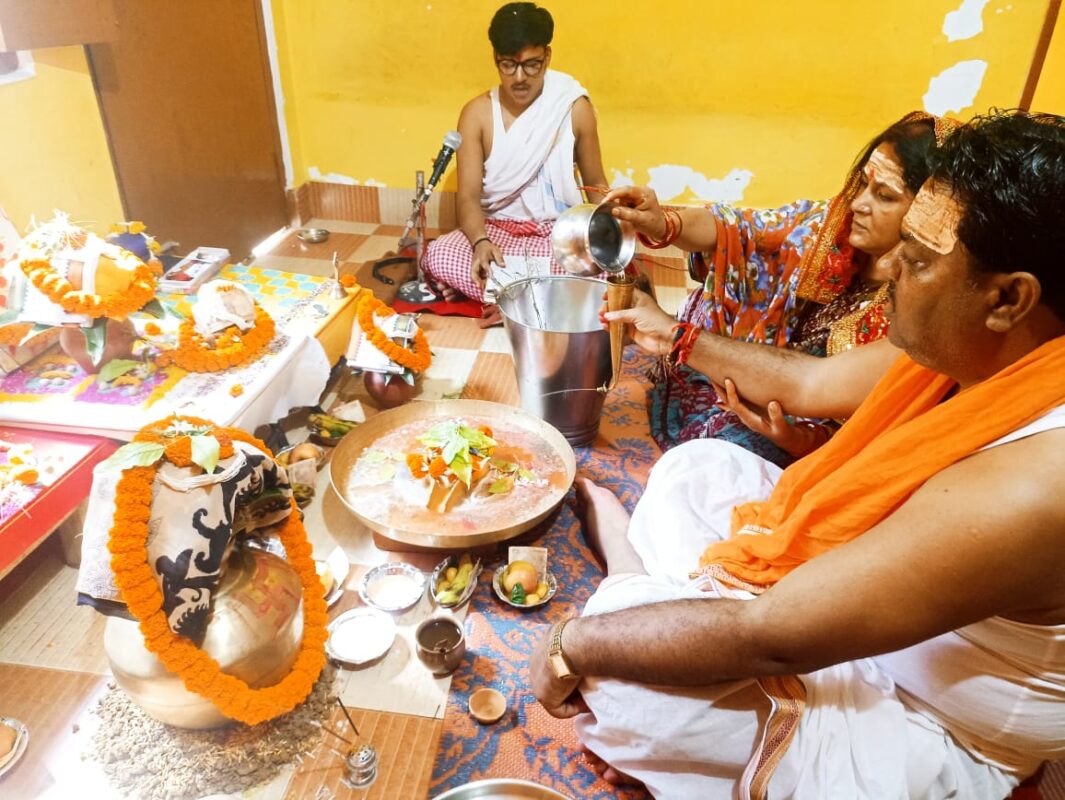 Ancestral pujas such as pind daan hold a very sacred place in Hindu traditions
Temple Offerings
Offering flowers, fruits, sweets or other traditional items during darshan is a common practice across many temples. Local vendors are readily available near the temple entrances, and offerings are usually modest and optional.
Other Activities
While the pilgrimage centres around faith and devotion, both Ayodhya and Varanasi offer rich cultural experiences that help you better understand the history, traditions and everyday life of these sacred cities.
Depending on your interests and available time, you may wish to explore some of these experiences alongside your temple visits.
Spiritual & Wellness
- Participate in yoga or meditation sessions offered by reputable centres for a deeper spiritual experience
- Spend quiet time along the ghats beyond the main ceremonies, observing the rhythm of everyday life
Shopping & Crafts
- Visit local markets to shop for Banarasi silk sarees, handcrafted textiles, bangles, brassware and religious artefacts
- It is also a great place for book lovers and music lovers with many shops selling unique books and musical instruments
- Watch skilled artisans weaving Banarasi silk using techniques passed down through generations
Cultural Experiences
- Discover the flavours of Banaras through traditional snacks, sweets and local delicacies
- Explore museums and cultural centres that showcase the history and heritage of Ayodhya and Varanasi
- Join a guided heritage walk through the old city to understand its architecture, traditions and hidden shrines
- Attend a classical music or cultural performance if your visit coincides with local events
 Banaras is especially known for kachoris, jalebis, malaiyyo, satvik thalis, banarasi paan and delicacies from eateries like Blue Lassi and Laxmi Chaiwala
These experiences are not essential to the pilgrimage, but they often enrich one’s understanding of the places, people and traditions that make Ayodhya and Varanasi so unique.
Practical Advice
A little preparation goes a long way in making your pilgrimage more comfortable and enjoyable. While Ayodhya and Varanasi welcome millions of devotees each year, understanding what to expect before you travel allows you to focus on the experience rather than the logistics.
What to Pack
You don’t need to carry a great deal, but a few essentials can make the journey much smoother.
We recommend packing:
- Government-issued photo identification (Aadhaar card for Indian citizens, Passport for foreigners)
- Personal medications and a small first-aid kit
- Comfortable walking shoes or sandals
- A reusable water bottle
- Sunglasses, sunscreen and a cap during warmer months
- Light woollens if travelling between November and February
- Power bank and charging cables
- A small amount of cash for offerings and local purchases. Although UPI is largely accepted throughout, it’s always best to have local currency available for small stores or vendors that don’t accept digital payments
Travelling with manageable luggage also makes transfers between destinations significantly easier.
Dress Comfortably and Respectfully
Both Ayodhya and Varanasi are deeply sacred destinations, and modest attire is required at temples and religious sites.
| Ideal | Avoid | |
|---|---|---|
| Men | Kurta-pyjama Kurta with trousers Shirt/T-shirt with trousers |
Shorts Sleeveless vests T-shirts with prints that may be disrespectful |
| Women | Saree Salwar-kameez Kurta with palazzo/trousers Other modest Indian attire |
Shorts Short skirts Revealing clothing |
Choose lightweight, breathable clothing, particularly if you’re travelling during the warmer months. Comfortable footwear is essential, as you’ll spend time walking through temple complexes, narrow streets and along the ghats. Since footwear must be removed before entering temples, shoes or sandals that are easy to slip on and off are particularly convenient.
A light shawl or stole is also useful for temple visits and cooler mornings or evenings during winter.
Walking and Accessibility
Even with a thoughtfully planned itinerary, some walking is unavoidable.
Temple approaches, ghats and the historic lanes of Varanasi are often inaccessible by vehicle. While the distances are generally manageable, comfortable footwear and a relaxed pace make a noticeable difference.
If you’re travelling with elderly family members or anyone with limited mobility, allow extra time between activities and avoid trying to cover too much in a single day. If a wheelchair is needed, make sure you procure access to one in advance by speaking to your travel agent.
Staying Healthy
Pilgrimages often involve long hours outdoors.
Stay well hydrated, particularly during warmer months, and take regular breaks between temple visits. Fresh fruit juices and coconut water are widely available, but choose clean and reputable vendors whenever possible. Even while exploring the local food scene, choose those spots that are known for their hygiene and taste equally.
If you take regular medication, keep it easily accessible throughout the journey rather than packing it inside checked luggage.
Security at Major Temples
Major temples such as the Ram Janmabhoomi Temple and Kashi Vishwanath Temple have comprehensive security arrangements.
Depending on the temple and current guidelines, mobile phones, cameras, smart watches, large bags and other electronic devices will not be permitted inside. Locker facilities are often available nearby, but it’s best to carry only what you need. Preferably use the official locker facilities provided by the temple management, rather than those provided by small shops near the temple.
During weekends, festivals and public holidays, allow additional time for security checks and queues.
 Both Vishwanath Mandir and Ram Mandir provide official lockers options to stow away your belongings during darshan
Money and Payments
Digital payments are widely accepted across both cities, particularly at hotels, restaurants and larger shops.
However, carrying a small amount of cash is useful for offerings, local purchases and smaller vendors who may not accept digital payments.
Travelling with Family & Elderly Parents
For many families, an Ayodhya & Varanasi pilgrimage fulfils a lifelong aspiration shared across generations. The key to an enjoyable journey is not seeing more, but travelling at a pace that allows everyone to participate comfortably.
Choose comfortable accommodation, allow time for rest between temple visits and avoid overloading each day with too many activities. A thoughtfully paced itinerary often creates a far more meaningful experience than trying to visit every possible site.
If you’re travelling with elderly parents or senior family members, we recommend reading our dedicated guide:
Travelling to Ayodhya & Varanasi with Elderly Parents: A Practical Guide (coming soon)
Frequently Asked Questions
Planning a pilgrimage naturally comes with questions—from the ideal time to visit and how many days to plan, to accommodation, temple timings, inclusions, exclusions and travel logistics.
We’ve answered these and many more in this guide but you may also want to check out the FAQ section of our Ayodhya & Varanasi Yatra page, where you’ll also find package-specific information to help you plan with confidence.
Need Help Planning Your Journey?
Every pilgrimage is deeply personal, and no two journeys are exactly alike.
But all of them require you to plan the various activities, mandir visits with VIP darshans, clean hotels, reliable transportation, safe food trails, knowledgeable guides, other historic sites, medical emergencies and more. If you want everything handled by experts so that you, your family, and other loved ones can simply enjoy a pilgrimage that balances spiritual significance with comfort, explore Saum’s curated journey here: Ayodhya & Varanasi Yatra
Whether you travel with us or on your own, rest assured that the Ayodhya & Varanasi Yatra will be a journey you will remember for a lifetime!
Related Journal Articles
Stay in touch with us as we continue to demystify the various aspects of the Ayodhya & Varanasi pilgrimage with these upcoming guides:
- Travelling to Ayodhya & Varanasi with Elderly Parents: A Practical Guide (Coming Soon)
- What Does Luxury Temple Travel Really Mean? (Coming Soon)
- Best Time to Visit Ayodhya & Varanasi (Coming Soon)
- Understanding the Ganga Aarti: What to Expect (Coming Soon)
- A First-Time Visitor’s Guide to Kashi Vishwanath Temple (Coming Soon)
- What to Pack for a Temple Pilgrimage (Coming Soon)
And if you want us to cover any specific topics, reach out to us here or at info@saum.in. We’d love to hear your thoughts!